A Guide to Environmentally Friendly Disposal of Pots and Pans
Are you wondering what to do with your old cookware? Improper disposal of pots and pans has a bigger environmental footprint than most realize. Whether you're downsizing or upgrading, it's essential to dispose of these kitchen items thoughtfully. This guide to environmentally friendly disposal of pots and pans provides comprehensive steps and insights so you can make eco-conscious decisions, minimize landfill waste, and even benefit your community.
Why Environmentally Friendly Disposal of Cookware Matters
The environmental impact of disposing of pots and pans incorrectly is significant. These items often end up in landfill, taking centuries to decompose and leaching chemicals into soil and water. By learning how to dispose of pots and pans in an environmentally friendly way, you help conserve resources, reduce pollution, and promote a circular economy.
Common Materials in Pots and Pans
- Stainless Steel: Highly durable, recyclable metal
- Aluminum: Lightweight and 100% recyclable
- Copper: Valuable for recycling due to its high market demand
- Cast Iron: Can last generations, recyclable if badly damaged
- Nonstick Cookware: Contains coatings like Teflon, which require special handling
- Ceramic and Enamel: Can break easily, and recycling options vary
Knowing the material composition is key for environmentally responsible disposal of old cookware.
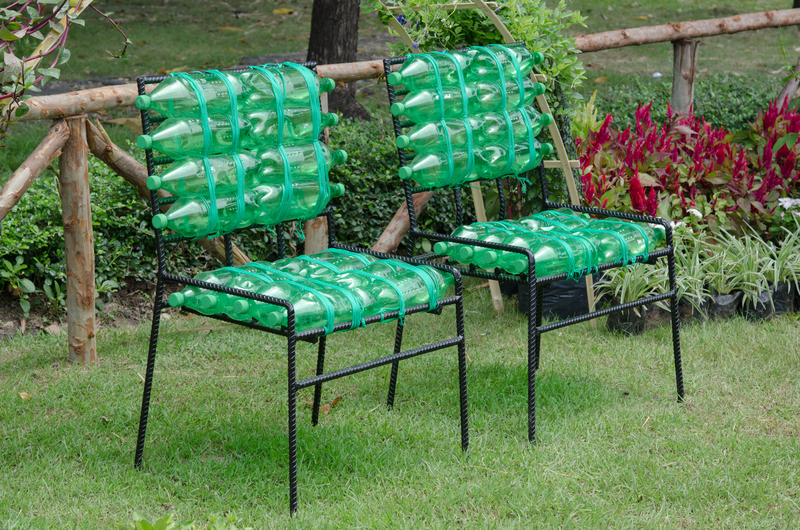
Assess the Condition: Can Your Pots and Pans Be Reused?
Before jumping to dispose of your old pots and pans, examine if they can be repurposed or reused. This is the greenest option, as it extends the item's life and lessens demand on raw materials.
Questions to Consider:
- Are the pots and pans still functional, despite scratches or discoloration?
- Could simple repairs, such as replacing a handle, give them new life?
- Would someone else in your circle benefit from them?
Creative Ways to Reuse Old Cookware
- Planters: Transform old pots and pans into quirky garden planters.
- Storage Containers: Use them for organizing art supplies, tools, or other household items.
- Decor: Repurpose as rustic wall art or holder for utensils.
If reuse isn't feasible, read on for eco-friendly disposal options.
Environmentally Friendly Disposal Options for Pots and Pans
1. Donate to Charity or Community Organizations
One of the best green disposal options for old pots and pans is donation. Many community centers, shelters, and thrift stores gladly accept gently used cookware. Reach out locally or use online platforms like Freecycle or Craigslist.
- Ensure pans are clean and in safe, usable condition before donating.
- Contact the organization to confirm they accept kitchenware donations.
2. Give Away or Swap
An environmentally friendly way to get rid of old pots and pans is by giving them directly to friends, family, or neighbors. Hosting a kitchenware swap with your community or using local social media groups can ensure unwanted cookware finds a new home rather than a landfill.
3. Upcycling Old Pots and Pans
For items that aren't donation-worthy, consider upcycling. Pinterest and DIY blogs overflow with crafts for repurposing cookware into unique home or garden decor. This minimizes waste and lets your creativity shine!
- Lampshades: Turn a large frying pan into an industrial-style fixture.
- Bird Feeders: Use old saucepans to make whimsical bird feeding stations.
4. Scrap Metal Recycling
If your cookware is beyond repair or reuse, recycling pots and pans is an effective eco-friendly option. Most metal cookware (aluminum, copper, cast iron, and steel) can be taken to a scrap metal recycling facility. Here's how to do it right:
- Separate by Material: Unscrew handles or remove plastic and non-metal parts.
- Check Local Guidelines: Confirm that your recycling center accepts cookware (some don't, due to coatings).
- Drop-Off: Bring your metals to a local scrap yard or recycling center.
Recycling metal uses less energy than producing new materials and prevents landfill overflow.
5. Specialized Nonstick Cookware Disposal
Nonstick pans, particularly those with Teflon coatings, require extra care. The environmentally safe disposal of Teflon pans or other PFOA/PTFE containing cookware is essential due to concerns over chemical leaching.
- Check with the manufacturer. Some brands, such as TerraCycle in partnership with Calphalon, offer mail-back recycling programs.
- Ask your local recycler about acceptance of nonstick cookware, as these coatings can pose contamination issues.
6. Municipal Recycling or Bulk Waste Programs
Some cities offer bulk waste pickup or 'Big Rubbish' days that allow you to dispose of unwanted items like cookware. Always confirm if items are sorted for recycling instead of heading straight for landfill.
How to Prepare Pots and Pans for Recycling or Donation
To ensure your cookware is effectively processed, follow these steps before recycling or donating:
- Clean Thoroughly: Remove food residue and grease.
- Disassemble: Take off rubber, plastic, or wooden handles where possible.
- Sort by Type: Stack similar materials together for easier handling.
What NOT to Do: Pitfalls to Avoid When Disposing of Pots and Pans
- Don't place them in regular household recycling bins (unless your service specifically accepts cookware).
- Don't dump pots and pans in dumpsites or illegal landfills.
- Avoid burning or breaking them apart, especially nonstick or coated pans, as this releases toxic fumes.
- Don't donate items with deeply worn or unsafe cooking surfaces (such as peeling Teflon) -- these should be sent for proper recycling or disposal.
The Environmental Benefits of Choosing Eco-Friendly Disposal
Did you know aluminum can be recycled indefinitely without loss of quality? Or that recycling 1 ton of steel saves 2,500 pounds of iron ore, 1,400 pounds of coal, and 120 pounds of limestone? By opting for sustainable ways to dispose of cookware, you:
- Reduce landfill waste
- Save natural resources
- Lower greenhouse gas emissions
- Help create jobs in recycling industries
These environmental advantages make a powerful case for choosing earth-friendly disposal options for cookware.
Frequently Asked Questions About Green Disposal of Pots and Pans
Can I put old pots and pans in the blue recycling bin?
In most areas, no. Household recycling programs typically don't process cookware due to their size, weight, and nonstandard coatings. Instead, use scrap metal recycling or specialized drop-off points.
What if my old pans have plastic or wooden handles?
Disassemble wherever possible. Remove and dispose of non-metal handles according to your local recycling rules. If you can't, let your recycling center know.
Is it safe to donate pans with nonstick coatings?
Only donate nonstick cookware if the coating is intact and not peeling. Worn or degraded coatings can be unhealthy; these should go to specialty recycling programs.
Where do I find cookware recycling or drop-off centers?
Check your municipal recycling website, Earth911.com, or the RecycleNation app for local programs. Many scrap yards accept metal cookware.

Conclusion: Sustainable Disposal Is Within Reach
The eco-friendly disposal of pots and pans is straightforward, especially with a little knowledge and effort. Whether reusing, donating, upcycling, or recycling, you're keeping valuable materials in use and supporting a healthier planet. Remember to always check local guidelines and look for new recycling solutions as technology and policies evolve.
By following this comprehensive guide to environmentally friendly disposal of pots and pans, you help prevent unnecessary waste, conserve resources, and perhaps even inspire others to rethink how they manage their kitchen clutter. Making sustainable choices--no matter how small--adds up to a big difference for future generations.
Key Takeaways: Eco-Conscious Pots and Pans Disposal Checklist
- Reuse or upcycle whenever possible
- Donate usable cookware to charity or community groups
- Recycle metal pots and pans at appropriate facilities
- Seek out specialty programs for nonstick or coated pans
- Avoid putting cookware in regular recycling bins
- Never burn or illegally dump old cookware
Make an impact--choose environmentally friendly ways to get rid of old pots and pans, and inspire those around you to do the same!
