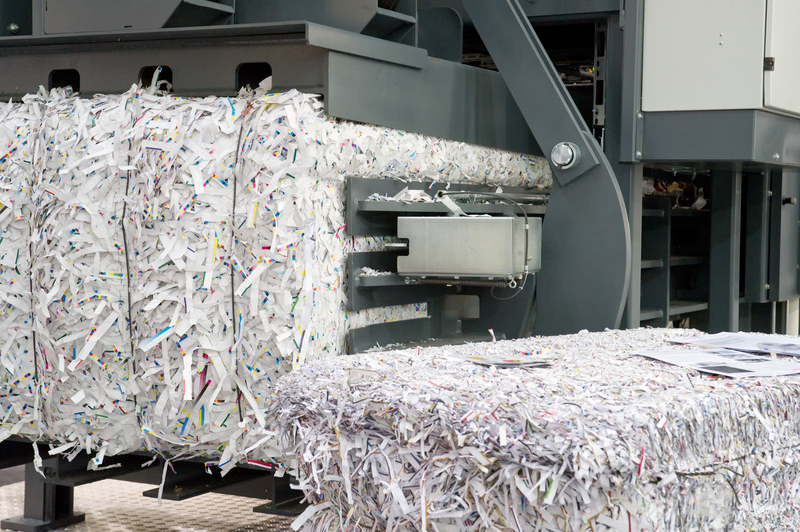
Commercial Waste in Harpenden for straightforward business clearance and recycling
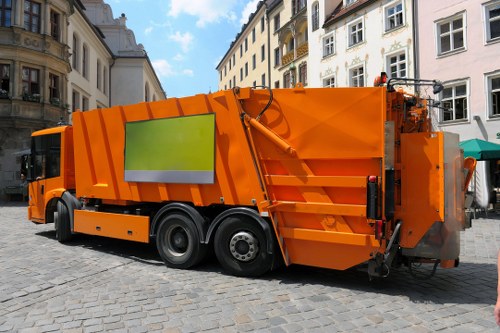
Commercial waste Harpenden businesses can plan around should be collected with a clear process, sensible sorting and the right destination for each load. We provide a practical commercial waste service for offices, shops, workshops, landlords and other organisations that need regular or one-off removal of mixed business waste. The aim is to keep disposal orderly, reduce handling time on site and make it easier to separate recyclable materials from general refuse.
Our service covers routine commercial rubbish, bulky unwanted items and office clearance work that needs careful loading rather than guesswork. Where a business has a changing volume of waste, the collection plan can be shaped around the type of material, access restrictions and the urgency of the job. If you are comparing options, take a moment to outline the main materials first so the right collection method can be matched to them.
For a clearer idea of what can be arranged, you can review business waste removal alongside the wider waste removal service. If your enquiry is more specialised, the pages on office clearance and confidential shredding explain related work that often forms part of a commercial clearance plan.
Business collections shaped around the way you work
Commercial waste is rarely uniform. A retail unit may produce packaging, damaged stock and display fixtures, while a small office may need paper, electronics, furniture and general rubbish removed together. A good collection service needs to fit the actual mix rather than forcing everything into one category. That is why we focus on the practical details of the load, from safe lifting and stacking to separating recyclable items where this is possible.
Where materials are easier to sort in advance, it helps to keep paper, cardboard, metal and reusable equipment together. That approach can speed up the collection and makes onward handling more straightforward. For teams planning a move or reset, the pages on home clearance and house clearance are useful comparisons if you are assessing how mixed clearance work is organised, while our commercial work remains focused on business premises.
When you are ready to request a quotation, a short written outline is usually enough to start the conversation. It helps to note the approximate quantity, the kind of waste involved and whether there are stairs, loading bays, narrow access points or parking limits. Photographs can be helpful, but they are optional; the main aim is to describe the job in a way that reflects the actual collection conditions rather than a rough guess.
What we can remove from commercial premises

Many business clearances involve items that are no longer needed but still take up usable space, such as desks, shelving, chairs, cabinets and redundant equipment. We can handle single items or larger mixed loads, depending on what needs removing. Where furniture is involved, it is often sensible to think about the order of removal so that heavier pieces come out safely before smaller loose items are collected from the same area. Useful related pages include furniture clearance and furniture disposal.
There are also collections that are defined by material type rather than by room or building. Old mattresses, sofas, fridges and similar bulky items need different handling from ordinary bagged waste, and hazardous materials require extra care. For those situations, the site pages on mattress and sofa disposal, fridge and appliance removal and hazardous waste disposal provide relevant detail on the kinds of items that may need separate planning.
In commercial settings, the service is often about restoring order without creating disruption. That can mean clearing storage cupboards, removing broken stock from a back room or taking away obsolete fittings after refurbishment. If a clearance is time-sensitive or split across several areas, it is usually best to describe the sequence of rooms or storage zones in plain terms. Simple, accurate information is more helpful than a long list of assumptions about how the job might unfold.
Office waste and workplace clearance support
Office waste can include everything from stationery surplus and paper archives to IT equipment, filing units and worn-out seating. A planned clearance helps keep useful items separate from general waste, and it also gives better control over what is moved first. For businesses that need a room or floor cleared before redecoration, the work can be organised around desks, cupboards, archive boxes and loose items in a way that keeps access open for remaining staff.
Where paperwork or records are present, confidential handling matters as much as removal. The process may involve segregating documents before disposal, rather than putting everything into one mixed load. This is one reason the confidential shredding page is worth viewing if your office clearance includes sensitive material. If the premises also contain larger fixtures, the wider office clearance page gives a better sense of how those elements can be approached together.
Businesses often find it useful to think in terms of decision points: what should stay, what should be recycled, what must be destroyed securely and what is ready for removal as waste. Keeping those categories clear reduces the chance of holding onto redundant items or mixing specialist waste with ordinary rubbish. A structured approach also makes it easier to prepare an accurate quotation request without overcomplicating the enquiry.
Clearing larger or awkward commercial items
Some jobs are defined by the size or weight of the items rather than by the number of bags collected. Heavy cabinets, awkward appliances, broken display units and mixed furniture can all require careful handling through corridors, stairwells or tighter access points. In these cases, the main question is not simply how much waste there is, but how it can be moved safely from the property to the vehicle without unnecessary disruption.
That practical side of the work is one reason we keep the service broad enough to cover different business settings while still paying attention to item type. If a load includes office chairs, sofas, shelving and a few small appliances, the clearance may need to be organised in stages. For related domestic-style bulky item pages, the site listings for garage clearance and loft clearance can help show how mixed-item clearances are presented and described across the website.
Some businesses also want help with seasonal or occasional waste that does not justify a regular collection pattern. This may include storage room clear-outs, end-of-lease removals or disposal of obsolete stock held in a back office. The right approach is usually to identify the categories first and then decide whether the job is mainly about waste, furniture or a broader premises clearance. That distinction matters because it affects loading, sorting and the most sensible plan for removal.
Recycling, sorting and responsible handling
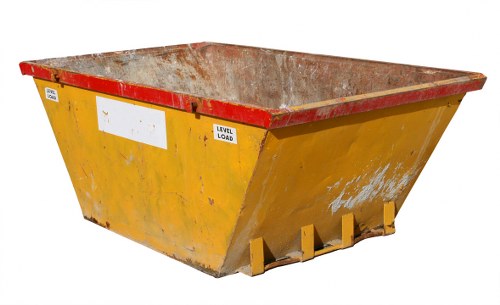
Commercial waste work should not treat every item in the same way. Cardboard, paper, metal, plastics, mixed general waste and electrical items may each need different onward handling. A good clearance plan looks at which materials can be kept apart from the start, because that can make the collection cleaner and easier to organise. The dedicated recycling and sustainability page explains this side of the service in more detail.
Where businesses want to reduce the amount of material going into general disposal, sorting can start before collection day. It is often helpful to group office paper, packaging and reusable furniture separately from broken or contaminated items. That does not mean every job needs an elaborate setup; rather, it means the removal can be shaped around what is practical on site. If a load contains a mixture of recyclable and non-recyclable items, the collection can still proceed, but it is sensible to be specific about the contents.
For customers making comparisons, the most useful question is usually how the waste will be handled after pickup. A short description of the load, plus any known restrictions on access or timing, is often enough to start a quotation. You do not need to prepare a full inventory unless the premises are large or the clearance is particularly mixed. Clarity beats volume when the job is being scoped.
Other service pages that may help you plan the job
The website includes a number of pages that support different parts of a commercial or mixed-property clearance. If your enquiry involves rubbish from an outbuilding, a storage room or a refurbishment project, the descriptions on builders waste clearance and garden clearance may be helpful depending on the setting. These pages are useful when the waste stream is defined by where it comes from rather than by the type of business operating there.
For households, landlords and smaller mixed premises, the pages on flat clearance and garage clearance show how the website presents varied clearance work without overcomplicating the wording. They are not substitutes for a business quote, but they can give a sense of the broader removal categories available across the site. In each case, the emphasis remains on practical removal rather than unnecessary detail.
If you are unsure which page best matches your needs, it is usually enough to choose the nearest fit and describe the actual materials in your message. That keeps the quotation process efficient and avoids false assumptions about the contents of the property. Where there is any doubt, a mixed description is better than trying to force the job into a single narrow label.
About Harpenden
Harpenden is a town in Hertfordshire, positioned between St Albans and Luton and known for its combination of a busy centre, residential streets and surrounding green space. The town grew significantly with the arrival of the railway in the nineteenth century, yet it still retains older features that hint at its earlier agricultural life. Today, Harpenden’s character is shaped by a mixture of period housing, local shops and open land that reaches out beyond the built-up centre. The common is one of the best-known landscape features, forming a broad expanse of public open space that has long been part of the town’s identity and everyday leisure. Harpenden Common is used for walking, informal recreation and events, and it remains an important visual break between different parts of the town. Nearby, Rothamsted Park provides another major green area and sits close to the research estate associated with Rothamsted Research, whose work has had a notable influence on agricultural science for well over a century. The town centre combines independent businesses, services and civic buildings, while the wider area includes historic churches, school buildings and residential streets laid out through successive phases of growth. Harpenden also has a strong rail link, with the station on the Midland Main Line connecting the town to London and the wider region. That transport connection has been central to its development, but the town still keeps a recognisable local scale, with parks, commons and community facilities giving it a distinct identity within Hertfordshire.
Commercial waste clearance for shops, offices and premises
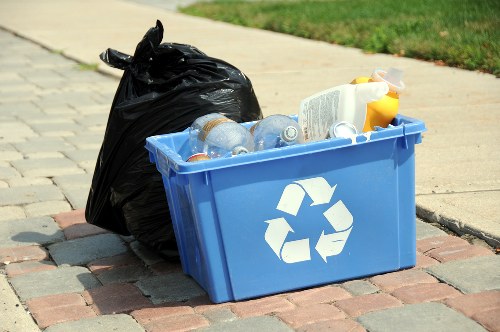
Every business premises creates waste in a slightly different way, so the service needs to be adaptable. A retail unit may require the removal of stock packaging and display materials; an office may need paper, broken chairs and dated furniture; a workshop may generate mixed offcuts and bulky items that are awkward to stack. By treating each clearance as a practical load rather than a generic bin round, we can keep the process focused on what actually needs to leave the site.
That flexibility also helps when a property is being prepared for a handover or reset. Some customers want an area cleared room by room, while others prefer a single collection of everything no longer required. Where the waste is mixed, it may be useful to separate what is reusable, recyclable or confidential before the job starts. If you have questions about what can go in one collection, the page on what can go in a skip can give a useful frame of reference, even though the service here is arranged differently.
When requesting a quotation, think about the practical details that influence the work rather than only the total amount. Access, floor level, parking and the mix of items all affect the way the clearance is handled. A concise message that names the type of premises and the waste categories involved is usually enough to begin. If the job includes confidential or specialist material, mention that plainly so it can be considered at the outset.
How to prepare a useful quotation request
Clear quotations start with a clear description. You do not need to write a long brief, but it does help to include the main item types, the number of floors involved, any tight access and whether the clearance is urgent or scheduled in advance. For businesses comparing options, the page on pricing and quotes is a useful place to look at the kind of information that supports a fair estimate.
It also helps to decide whether the job is mainly a removal, a clearance or a combination of both. For example, an office could need furniture taken away, archive material handled separately and a few general rubbish sacks collected at the same time. Giving that information together is more efficient than splitting it into unrelated messages. If there are items you know must stay on site, say so clearly so the collection is planned around them.
Two short steps usually make the enquiry easier: first, identify the main waste categories; second, note any access limits that may affect loading. Then you can request a quotation in plain language without worrying about perfect wording. A straightforward description is often enough to move from initial interest to a usable estimate.
Contact us about your commercial waste

If you need commercial waste removed in Harpenden, we can help with business clearances, office items, mixed bulky waste and related disposal work. The most useful next step is to describe the premises, the materials involved and any constraints on access or timing. That gives the collection the best chance of being planned sensibly and keeps the process focused on the items that really need to go.
For businesses that want to check the wider scope first, the service pages on about us, insurance and safety and payment and security may be helpful background reading. They do not replace a quotation, but they can support a clearer understanding of how the website presents practical removal work, safety considerations and the general approach to arranging services.
When you are ready, send over the basics and ask for a quotation. If the job includes office clearance, furniture removal or specialist waste, mention that in the first message so the response can be properly matched to the work. A concise enquiry is usually the most effective starting point for a commercial collection.