Health and Safety Policy — Commercial Waste Harpenden Services
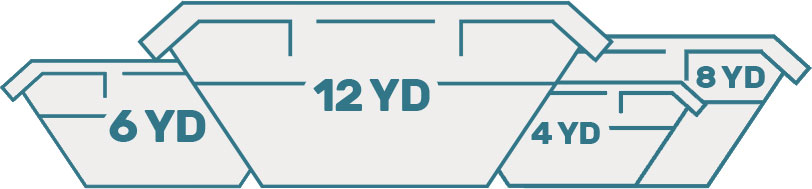 This Health and Safety Policy sets out the commitment of the organisation to protect the health, safety and welfare of employees, contractors and the public in relation to commercial waste collection and rubbish services operating in the service area. It applies to all activities associated with commercial waste Harpenden operations, including collection, transportation, transfer and short-term storage prior to lawful disposal or recycling. The policy is designed to be proportionate and practical while ensuring compliance with statutory duties.
The company recognises that managing commercial rubbish provision safely requires clear responsibilities, effective risk control and ongoing training. Management will provide adequate resources to implement the policy, and all staff and subcontractors are expected to cooperate in maintaining a safe working environment. This statement is supported by senior management and is reviewed regularly.
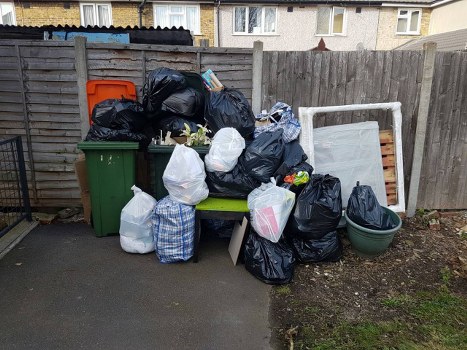 Senior management, supervisors and operatives each have specific duties. Management will ensure that risk assessments are carried out, safety procedures are documented and that emergency arrangements are in place. Supervisors must ensure crews follow safe systems of work. Employees and operatives must use equipment properly, report hazards, and participate in training. Visitors and contractors must observe site-specific rules while on premises associated with Harpenden commercial waste operations.
Risk Assessment, Controls and Safe Systems
Risk assessments will be carried out for all routine and non-routine tasks, including collection of mixed waste, bulky waste handling and segregation of recyclables. The assessments identify hazards, evaluate risks and specify controls such as segregation, mechanical aids and traffic management on client sites. Controls will be reviewed whenever there is a change in process, equipment or legislation.
Key control measures include:
- Traffic and site management: segregated pedestrian routes, clear access and egress for vehicles;
- Safe loading and unloading: use of ramps, tail-lifts and mechanical lifting aids where practical;
- Segregation of waste types: clear labelling and containment to prevent cross-contamination and reduce manual handling.
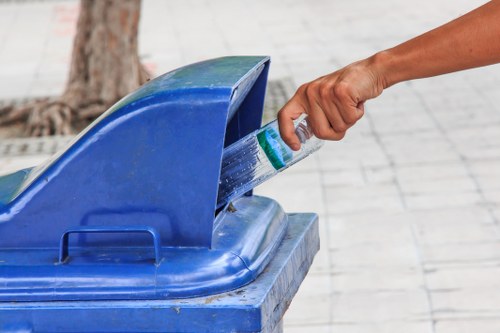 The policy emphasises that assessments must be proportionate to the identified risk. For specialist or hazardous wastes a competent person will determine additional controls, permit-to-work requirements and emergency response arrangements.
Training, Competence and Personal Protective Equipment (PPE)
All staff involved in rubbish collection Harpenden services will receive induction training and ongoing refresher training relevant to their role. Training covers safe vehicle operation, manual handling, hazardous recognition, incident reporting and use of PPE. Records of training and competency checks will be maintained.
PPE will be provided where risk assessments show it is necessary. Typical items include high-visibility clothing, gloves, safety boots, eye protection and respiratory protection where dust or bioaerosols are present. PPE is a last line of defence and must be used with other controls; users must be trained in selection, fitting and maintenance.
Employees are expected to report defective PPE or unsafe conditions promptly and not to undertake work for which they are not trained or competent.
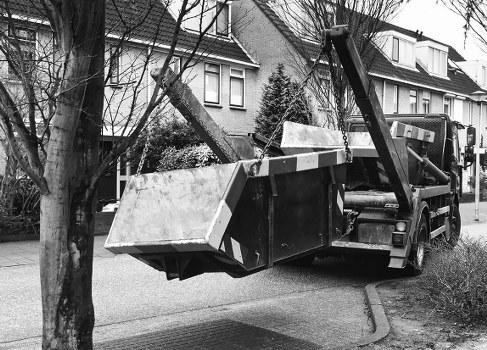
The safe operation and maintenance of vehicles and plant used in commercial rubbish operations is critical. Vehicles will be subject to regular maintenance, pre-use checks and defect reporting systems. Drivers and operators will follow safe loading limits, secure loads appropriately and adhere to road traffic laws and site-specific speed limits. Reversing aids, banksmen and avoidance of exposure to moving parts are mandatory controls.
Waste handling procedures require segregation for recyclables and safe containment of hazardous materials. Where hazardous or controlled wastes are identified, the company will follow statutory consignment and documentation requirements and ensure secure handling to protect workers and the environment. Sharp objects, asbestos and chemical wastes will be treated under specific protocols.
Manual handling and ergonomic risks will be managed through mechanical aids, team lifting where appropriate and task redesign. Safe lifting techniques are promoted but not relied upon as the sole control, and loads will be reduced or eliminated via alternative handling methods whenever possible.
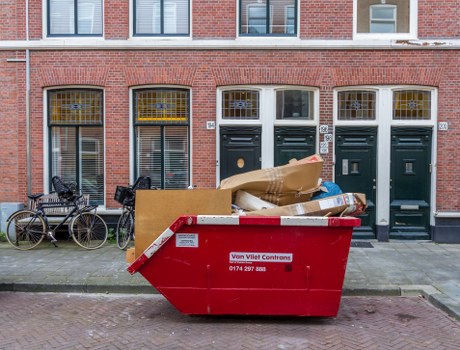 Emergency preparedness covers spill response, first aid, fire safety and incident escalation. Clear procedures are in place for dealing with vehicle incidents, chemical spills and injuries. All incidents and near-misses will be reported, investigated and recorded to prevent recurrence. Immediate control measures and longer-term corrective actions will be implemented following investigations.
Monitoring and audit processes are established to measure compliance with this policy. Regular site inspections, driver vehicle inspection records and internal audits will identify non-conformances. Performance indicators include incident rates, training completion and audit scores. Management will take prompt action in response to identified deficiencies.
 The organisation will keep accurate records of risk assessments, training, vehicle maintenance, incident reports and statutory documentation. Reviews of the policy and its implementation will occur at least annually or when significant changes occur in legislation, operations or incident patterns. The policy will be communicated to all employees, sub-contractors and others working for the organisation.
Compliance and Review: This policy is aligned with relevant health and safety obligations and environmental protection standards applicable to providers of commercial waste and rubbish collection services. Compliance with statutory duties is mandatory; failure to comply may result in disciplinary action and regulatory enforcement.
Responsibility for maintaining health and safety rests with everyone in the organisation. Managers will ensure implementation; workers will follow procedures. The company commits to continuous improvement in health and safety performance for all activities associated with Harpenden commercial waste operations.
Signed on behalf of the business: Senior Management. Date of issue and next review date will be recorded in the policy register held by the organisation.
