Eco-Friendly Solutions for Packaging and Cardboard Disposal
Eco-Friendly Solutions for Packaging and Cardboard Disposal: A Practical UK Guide
You open a parcel and--there it is--layers of cardboard, paper padding and a bit of tape that sounds like a rip of thunder when you peel it off. Then the question hits: what now? If you're looking for eco-friendly solutions for packaging and cardboard disposal, you're in the right place. This is a deep, honest and highly practical guide to help you reduce waste, cut costs, and stay compliant--whether you're a busy household, a local cafe, or a growing e-commerce brand shipping hundreds of boxes a day.
Truth be told, packaging can feel complicated. Different materials, labels that don't always match what your council collects, and customers expecting pristine unboxing experiences. But with a few smart choices and systems, you can turn cardboard and packaging from a headache into a quietly efficient, planet-friendly win. Clean, clear, calm. That's the goal.
On a rainy Tuesday in London (you could almost smell the cardboard dust in the air), I watched a small team flatten boxes, stack them by size, and switch from plastic to paper tape in a single afternoon. The storeroom went quiet. Less clutter. Less faff. It was kinda wild how much smoother everything felt.
Table of Contents
- Why This Topic Matters
- Key Benefits
- Step-by-Step Guidance
- Expert Tips
- Common Mistakes to Avoid
- Case Study or Real-World Example
- Tools, Resources & Recommendations
- Law, Compliance or Industry Standards (UK-focused)
- Checklist
- Conclusion with CTA
- FAQ
Why This Topic Matters
Cardboard is one of the UK's recycling workhorses. According to industry bodies like WRAP and the Confederation of Paper Industries, the UK recycles well over 70% of paper and card each year, and Europe reaches around 80%+. That said, contamination, poor storage, and mixed-material packaging still send reusable fibre to landfill or energy-from-waste. We can do better--easily.
Why care? Because eco-friendly solutions for packaging and cardboard disposal are good for business, your home, and the planet. Recycling cardboard conserves trees, water and energy compared with using virgin pulp. Reuse extends a box's life dramatically. Right-sized packaging reduces transport emissions. And complying with the UK's waste hierarchy--prevent, reduce, reuse, recycle, recover, dispose--keeps you on the right side of the law and common sense.
There's also brand trust. Customers notice when you use recyclable or compostable packaging, clear labels and minimal waste. Ever opened a tiny product in a massive box filled with mixed plastics and thought... why? Your customers have too. Getting this right feels good--and frankly, it sells.
One more reason: money. Recycling cardboard as a clean, segregated stream can reduce general waste charges. Businesses that bale their cardboard and optimise backhauls often see savings within months. Households can cut back on multiple fortnightly collections just by flattening, dry storage and reuse. Small actions. Big payoff.
Key Benefits
Choosing sustainable packaging and responsible cardboard disposal brings a stack of benefits--pun intended:
- Lower costs over time: Right-sizing packaging reduces void fill and shipping fees; baling cardboard cuts waste volume and pickup frequency.
- Regulatory peace of mind: Align with the waste hierarchy, Duty of Care, and upcoming UK packaging EPR requirements. Less stress, fewer fines.
- Operational efficiency: Clean, segregated recycling streams speed up back-of-house processes and keep storerooms tidy.
- Brand value: Clear recycling labels and eco materials show customers you care, boosting loyalty and repeat purchases.
- Carbon reduction: Lightweight, recycled-content materials cut embedded emissions; reuse slashes the need for new boxes.
- Health and safety: Stackable, baled cardboard reduces trip hazards and fire risk when managed properly.
In one warehouse we observed, switching to water-activated paper tape meant fewer layers of tape per parcel. Less tape, quicker opening, happier customers. Small win, big vibe.
Step-by-Step Guidance
1) Start with the Waste Hierarchy
Prevent > Reduce > Reuse > Recycle > Recover > Dispose. This is your north star. Before ordering anything, ask: can we prevent this packaging? Can we reduce the size, weight or materials? Can we switch to reusable transport packaging (RTP)? Then, reuse and recycle what remains.
2) Audit your packaging flows
Take a week and note every incoming and outgoing box. Sizes, quantities, damages, contamination issues. If you run a business, stand in the receiving bay for an hour--observe what actually happens. You'll see patterns: too many oversize boxes, deliveries drenched on rainy days, tape that won't let go. To be fair, you cant fix what you cant see.
3) Choose responsible materials
- Cardboard and paper: Go for recycled content and FSC-certified virgin fibre where needed. Single-material packs are easiest to recycle.
- Paper-based tape: Water-activated or high-tack paper tape is recyclable with cardboard in most UK streams. Less hassle than plastic tapes.
- Void fill: Use shredded cardboard, corrugated wrap, moulded pulp or paper padding. If you must use air pillows, pick recycled-content films and make sure customers can recycle them where facilities exist.
- Labels: Use minimal labels; favour recyclable label stocks and water-soluble adhesives for returnable packaging.
- Compostables: Only where truly needed and supported. Look for EN 13432 industrial compostability certification, but remember most UK kerbside schemes don't accept compostable packaging yet.
4) Right-size and rationalise
Ever sent a lipstick in a shoebox? Don't. Use box-on-demand or a rationalised set of sizes. Dimensional weight charges add up; right-sizing cuts emissions and cost. Many UK SMEs use simple carton sizers and box-dimensioning scales to get this right without breaking the bank.
5) Set up clean cardboard disposal
- Keep it dry: Store broken-down boxes under cover. Wet or greasy card can be rejected.
- Flatten everything: Save space; reduce trip hazards. The sound of the last crease folding flat is oddly satisfying.
- Remove contaminants: Pull off plastic film, foam or strapping. Paper tape can stay on in most cases.
- Segregate streams: Cardboard separate from glass, metals and general waste improves recyclate value and reliability.
- Label clearly: Simple signs by the bins help everyone do the right thing without thinking too hard.
6) For businesses: bale or compact
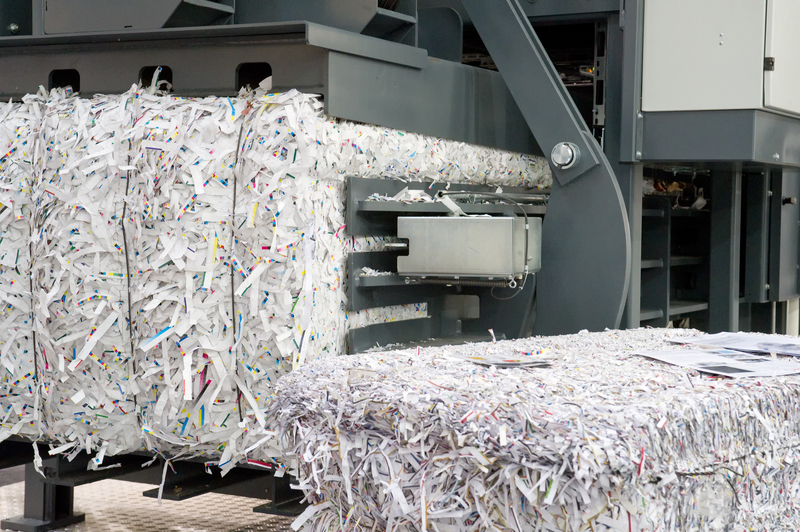
If you generate a lot of card, a small baler pays for itself quickly. Baled cardboard is denser, cheaper to move and often has rebate value. Speak with a licensed waste carrier; ask about scheduled collections and rebates for clean, grade-consistent card (referencing EN 643 grades can help).
7) Arrange collections and keep records
Use a licensed waste carrier. Keep waste transfer notes for two years, list the EWC code (15 01 01 for paper/cardboard packaging), and ensure Duty of Care is met. Households should check their council schedule--most accept flattened cardboard at kerbside if dry and clean.
8) Close the loop with customers
Add clear recycling instructions (OPRL labelling is common in the UK). Use one simple line inside the lid: "Flatten, keep dry, recycle with card." People appreciate clarity. Include return or refill info if you run a circular scheme.
9) Train your team, not once--often
New starters, seasonal temps, the Saturday crew--everyone needs the basics. Keep instructions short and visible. A two-minute demo on flattening, stacking and baling beats a five-page SOP nobody reads.
10) Measure, adjust, repeat
Monthly checks: costs, contamination rates, customer feedback, storage headaches. Swap what's not working. Sustainable packaging is not set-and-forget; its iteration. Youll see the wins stack up.
Expert Tips
- Adopt the 95% rule: Make at least 95% of your pack by weight a single recyclable material. It keeps things simple and improves recycling outcomes.
- Water-activated paper tape: It bonds like a dream to kraft cartons, reduces over-taping, and is usually fine in paper mills.
- Design for disassembly: If you must mix materials, use easy-peel designs so consumers can separate them in seconds.
- Avoid wet-strength card for general use: Great for cold-chain, but harder to recycle. Only use where essential.
- Use corner protection instead of thick void fill: Corrugated edge protectors do more with less.
- Switch to returnable transport packaging (RTP): Reusable crates and totes for B2B moves can cut tonnes of cardboard each year.
- Audit delivery partners: Check how they handle damaged returns and used boxes. A good partner helps you close the loop.
- Prevention is king: Work with suppliers to reduce inbound packaging. Many will gladly resize or palletise smarter if you just ask.
- Use moisture sensors in damp storerooms: Card goes soft fast; small sensors and better airflow keep recyclate quality high.
- Data labels: Remove or obliterate addresses and barcodes before reuse to protect customer privacy (GDPR matters).
One micro moment: a Bristol cafe switched to paper tape, and the staff started saving each used box for local families moving house. The storeroom felt lighter; the community felt closer.
Common Mistakes to Avoid
- Over-taping: Layers of plastic tape make boxes harder to recycle and reuse. One well-placed strip of paper tape usually suffices.
- Leaving boxes outdoors: A single downpour ruins a week's worth of clean, recyclable fibre. Keep it covered.
- Mixed-material packs without clear instructions: Plastic windows, foil linings, magnetic closures--lovely, but only if you tell people how to separate them.
- Greasy food boxes in the paper stream: Oil contamination can spoil a batch. Tear off the clean lid to recycle; bin the greasy base or compost if suitable.
- Ignoring inbound packaging: Optimising your outgoing parcels while ignoring supplier packaging is like mopping with the tap on.
- No staff training: Great bins don't help if nobody knows what goes where. A 10-minute induction saves months of confusion.
- Buying compostables "just because": Without a proper collection route, they may end up incinerated. Use compostables only where they shine.
Yeah, weve all been there--standing over the bins, second-guessing the right one. Simple signage and consistent materials keep it painless.
Case Study or Real-World Example
Composite example: South London e-commerce SME (homeware)
Background: A fast-growing online retailer shipping 400-600 orders/day from a compact warehouse in Croydon. Complaints were rising about oversized boxes and excess plastic. Waste costs were climbing too.
Actions taken:
- Packaging audit: Mapped top 20 SKUs, measured damage rates, and identified 6 redundant carton sizes.
- Right-sizing & materials: Moved to 8 optimised box sizes; swapped plastic tape for water-activated paper tape; replaced bubble wrap with corrugated paper wrap and moulded pulp for fragile items.
- Storage & disposal: Introduced a small vertical baler for cardboard; created a covered, dry area for flats and offcuts.
- Supplier collaboration: Asked key suppliers to consolidate deliveries and reduce unnecessary shrink wrap and filler.
- Customer communication: Added OPRL-style recycling instructions and a line encouraging reuse: "Please pass this box on before recycling."
Outcomes after 4 months:
- 20-25% reduction in packaging weight per order.
- 15% fewer damages thanks to better corner protection and snug fits.
- Waste bill down 32% after baling cardboard and reducing general waste frequency.
- Customer reviews improved--mentions of "minimal packaging" and "easy to recycle" rose noticeably.
Human moment: On a wet Thursday, the operations lead held a freshly baled stack--neatly tied, dense, solid--and said it felt like progress you could touch.
Tools, Resources & Recommendations
Simple tools that punch above their weight
- Carton sizer: A handheld tool to reduce box height. Saves void fill; quick payoff.
- Box-dimensioning scale: Stops overpaying on volumetric shipping.
- Paper tape dispenser: Manual or electronic water-activated dispensers speed sealing and reduce waste.
- Cardboard shredder: Convert offcuts into void fill on-site. Great for 3PLs and retailers.
- Vertical baler: For medium-to-high volumes of card; ask suppliers about training and maintenance.
- Stackable bins with lids: Keep paper/card dry and separate, especially in British drizzle.
Material recommendations
- FSC-certified kraft cartons with recycled content where feasible.
- Water-activated paper tape and reinforced options for heavy goods.
- Corrugated paper wrap or moulded pulp for protection instead of plastic bubbles.
- Minimal-label approach--smaller labels, recyclable stocks, and solvent-free inks when possible.
Process and training aids
- Standard work posters in packing areas: one glance tells you the right box, tape, and fill.
- Bin signage with photos of common items--no guesswork at the bins.
- Monthly mini-audits of contamination and costs. Short, sharp, and surprisingly effective.
Where to learn more
- WRAP guidance on recycling and packaging optimisation.
- OPRL labelling for clear UK recycling messages.
- DEFRA updates on packaging Extended Producer Responsibility (EPR) and consistent collections.
- BS EN 643 recovered paper grades--useful for businesses baling card.
- ISO 14001 for environmental management systems--great framework if you want to formalise your approach.
Quick aside: tools don't need to be fancy. I've seen a simple paper-tape dispenser and a laminated cheat sheet cut packing time by 10% in a week.
Law, Compliance or Industry Standards (UK-focused if applicable)
Staying compliant isn't just box-ticking; it protects your business and community. Here's the UK overview relevant to eco-friendly solutions for packaging and cardboard disposal:
- Waste Hierarchy (Environment Act / EU WFD principles): You must apply the hierarchy--prioritise prevention and reuse--before recycling and recovery.
- Duty of Care (Environmental Protection Act 1990): Businesses must manage waste responsibly, use licensed carriers, and keep records (waste transfer notes) for two years.
- Waste Carrier, Broker, Dealer registration: Anyone moving waste for others needs to be registered. Ask your provider for proof.
- European Waste Catalogue (EWC) codes: Use 15 01 01 for paper/cardboard packaging on transfer notes.
- Packaging Producer Responsibility / EPR: The UK is rolling out Extended Producer Responsibility for packaging. Expect more detailed reporting on materials placed on the market, fees linked to recyclability, and stronger incentives to design for recycling. Keep an eye on timelines and guidance from DEFRA.
- OPRL labelling: Widely used scheme to indicate recyclability in the UK. Not law, but aligned with consumer understanding.
- Plastic Packaging Tax: If you use plastic packaging, there's a tax on plastic with less than 30% recycled content. Not cardboard-specific, but it shapes material choices.
- Fire Safety & Storage: Baled or stacked cardboard is combustible. Follow HSE guidance: keep clear aisles, maintain separation from ignition sources, and limit stack height.
- Data protection (GDPR): Remove customer data from boxes you reuse or pass on. Labels and barcodes count.
Note: Local council rules vary on exactly how cardboard should be presented at kerbside. Always check the latest guidance--especially around bundling, size limits and keeping it dry.
Checklist
Use this quick checklist to embed eco-friendly solutions for packaging and cardboard disposal in your day-to-day:
- Map top packaging sizes; remove redundancies.
- Switch to paper-based tapes and recyclable void fill.
- Introduce clear bin signage--photos help.
- Flatten and store boxes dry and under cover.
- Segregate cardboard from mixed recycling and general waste.
- Consider a baler if generating medium-high volumes.
- Use licensed carriers; keep transfer notes with EWC codes.
- Add simple on-pack recycling instructions (OPRL style).
- Run short team training every month or quarter.
- Measure costs, contamination and feedback; iterate.
Even ticking off half of these will make a visible difference. You'll feel it when you walk into the storeroom: fewer stacks, less noise, more space to breathe.
Conclusion with CTA
Eco-friendly solutions for packaging and cardboard disposal don't need to be complicated or expensive. Start small: flatten, keep dry, switch to paper tape. Then scale: right-size, train your team, bale the rest. The result? Lower costs, cleaner operations, happier customers--and a lighter footprint on the places we love.
If you're a UK home or business, remember: you've already got most of what you need. A few smart tweaks, some simple tools, and the job's a good'un.
Get a free quote today and see how much you can save.
And if today's the day you clear that corner of boxes--go on. You've got this.
FAQ
What's the simplest eco-friendly way to deal with cardboard at home?
Flatten boxes, keep them dry, and present them for kerbside collection. Tear off any plastic film or foam. If you need storage, stack flats by size in a cupboard or shed to keep rain away.
Can greasy pizza boxes be recycled in the UK?
It depends on contamination. Most councils accept the clean parts only. Tear off the clean lid and recycle it; bin the greasy base or compost it if suitable. Oil weakens paper fibre during recycling.
Is paper tape really better than plastic tape for recycling?
Yes, generally. Most paper mills can process cartons with paper tape attached, while heavy plastic tape can cause issues. Use water-activated paper tape for a strong seal and simple disposal.
What if my cardboard gets wet?
Wet cardboard is weaker and may be rejected for recycling. Let it dry fully if possible, but avoid mould. Best practice is prevention: store flats under cover and avoid leaving them outdoors.
Can I compost cardboard?
Plain, uncoated cardboard can be composted in small amounts--shred it and mix with food and garden waste. Avoid glossy or heavily printed board, and remove plastic labels first.
Are "compostable" packaging materials the best option?
Only in specific cases. Industrially compostable packaging often isn't accepted in kerbside food waste collections. If you can't guarantee the right collection route, prioritise recyclable paper and card.
What baler size should a small business start with?
A small vertical baler (producing 30-100 kg bales) suits many SMEs. It keeps the footprint modest and still unlocks savings on collection costs. Ask suppliers for training and maintenance plans.
How do UK packaging EPR changes affect small businesses?
Extended Producer Responsibility will require more detailed reporting on packaging placed on the market and may adjust fees based on recyclability. Even micro businesses benefit from designing simpler, recyclable packs and keeping good records.
How can I reduce damage without using plastic bubble wrap?
Use right-sized boxes, corrugated paper wrap, moulded pulp trays, and paper-based corner protection. These cushion well and are widely recyclable.
What's the EWC code for cardboard on a waste transfer note?
Use 15 01 01 for paper and cardboard packaging. Ensure your transfer note lists this, includes a description, and identifies the licensed carrier.
Can I reuse boxes with old labels on them?
Yes--remove or cover old labels and barcodes. For data protection, obliterate any customer names and addresses. Then relabel neatly to avoid mis-sorts in transit.
Is waxed or laminated cardboard recyclable?
Not usually in standard paper streams. If the board is heavily waxed or laminated with plastic or foil, it's likely not accepted. Choose plain or lightly coated board and provide separation instructions if mixing materials.
What's the quickest win for an online shop shipping 50-100 parcels a day?
Switch to 2-3 optimised box sizes and paper tape, add a simple packing guide, and segregate cardboard for recycling. You'll see faster packing and lower waste almost immediately.
Any safety tips for storing lots of cardboard?
Keep stacks stable and away from heat sources, maintain clear walkways, and don't let piles touch the ceiling or lights. Baling reduces volume and fire load significantly.
How do I tell customers what to do with my packaging?
Use clear, plain-English instructions--ideally with OPRL-style labels. A short line inside the lid works: "Flatten, keep dry, recycle with card." Consistency is key.
Can I get money back for my cardboard?
Possibly. Clean, baled cardboard can attract a small rebate depending on market conditions and volume. Speak to your licensed waste provider and compare quotes.
What's the best way to handle seasonal peaks (e.g., Christmas)?
Plan extra storage for flats, schedule more frequent collections, pre-cut void fill, and train temps with a one-page visual guide. Keep the rain off--it's the UK after all.